

Caring for Pets in a Changing Environment

For millions of people, pets are family. They improve our mental health, encourage physical activity, and bring joy into everyday life.
Yet as pet ownership rises, so too does its environmental footprint. From the food our animals eat to the medicines they use, pets are increasingly part of a much bigger ecological story, one that matters deeply in a country like the UK, now recognised as one of the most nature-depleted nations in the world.
Understanding the environmental impact of pets does not mean blaming owners or questioning the value of companionship. Instead, it invites us to think more carefully about how we care for animals in ways that also protect the ecosystems we all depend on.
Pets and the Hidden Environmental Costs
The environmental impact of pets is multifaceted. Pet food production contributes to land use, greenhouse gas emissions, and resource consumption. Plastic toys, bedding, and accessories often end up in landfill. Waste disposal, particularly dog faeces, can pollute soil and waterways if not managed properly.
One of the least visible but increasingly concerning impacts, however, comes from veterinary medicines, especially treatments for fleas, ticks, and worms.

Parasite Treatments and Aquatic Pollution
There is growing evidence that some commonly used flea and tick treatments are harming the environment. Research has shown that chemicals such as fipronil and imidacloprid - a neonicotinoid pesticide - are entering rivers, ponds, and wetlands, where they are toxic to insects and other aquatic life even at very low concentrations.
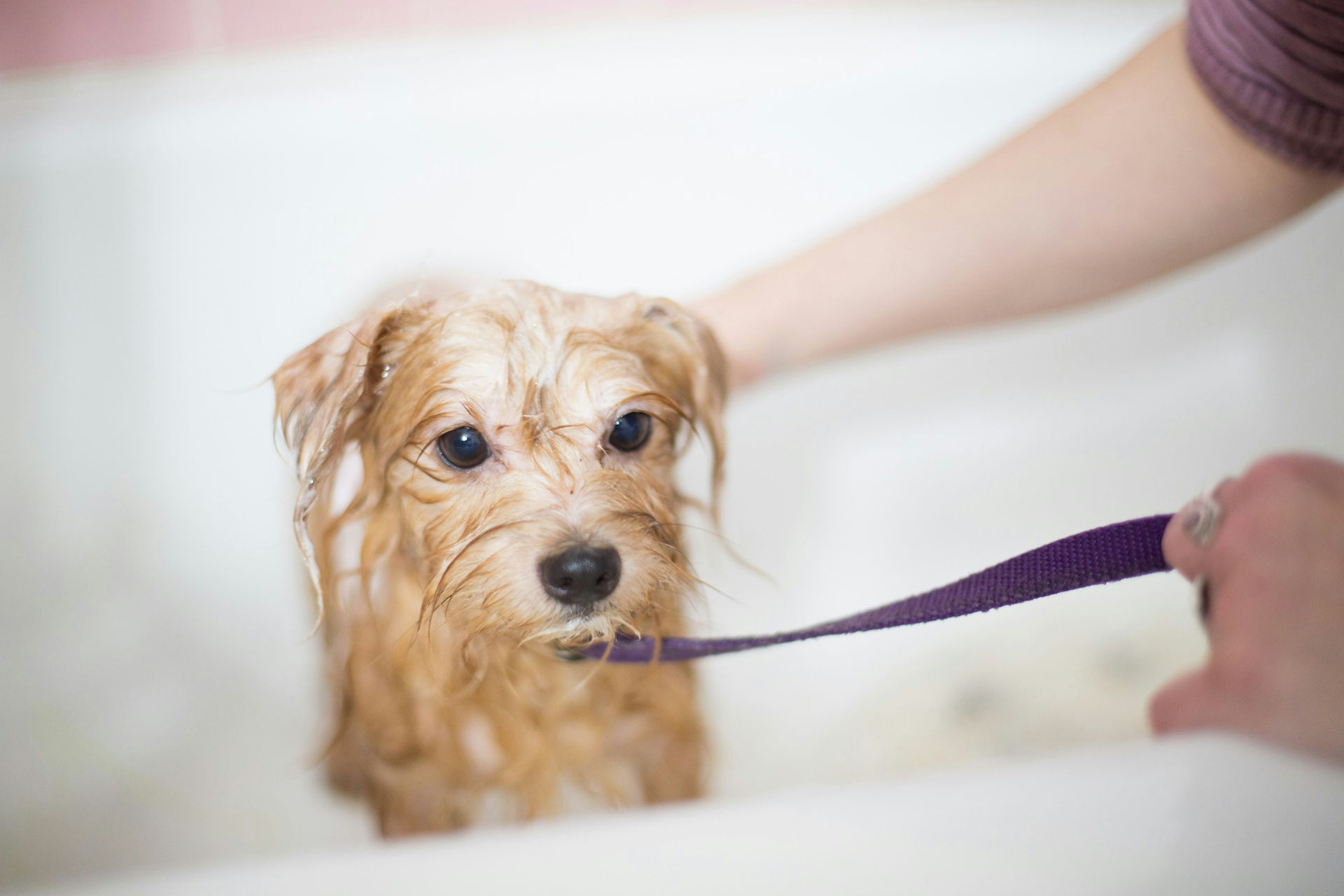
These substances can wash off pets’ fur when animals swim, are bathed, or are groomed, eventually making their way into waterways. Once there, they contribute to the decline of aquatic invertebrates, which are crucial to healthy ecosystems and food webs. This is particularly alarming at a time when biodiversity in the UK is already under severe pressure.
Dr Julie Cayzer, a vet and zoologist, encountered this evidence while studying sustainability and behaviour change. Her work highlights how routine, year-round parasite treatments, often prescribed automatically, can unintentionally contribute to environmental damage without necessarily improving animal health.
Balancing Animal, Human, and Environmental Health
Veterinary guidance in the UK already recommends avoiding blanket parasite treatments and instead tailoring prescriptions to individual pets and their lifestyles. However, in practice, this guidance has not always been easy to implement.
Dr Cayzer’s research explored why. Using the World Health Organization’s One Health approach which recognises that animal, human, and environmental health are deeply interconnected she examined how vets’ prescribing behaviours are shaped by time pressures, workplace culture, and owner expectations.
Her findings suggest that when vets are given the knowledge, opportunity, and motivation to change, they are keen to act. Training programmes she helped design encouraged vets to:
Move away from the most environmentally harmful spot-on treatments where appropriate
Use tailored parasite control based on lifestyle risk assessments
Educate pet owners about proper disposal of packaging and safe use of treatments
Challenge automatic enrolment in year-round treatment plans when they are unnecessary
These changes reduce chemical pollution while still protecting pets and people from genuine health risks, including zoonotic diseases that can spread from animals to humans.


What Pet Owners Can Do
Pet owners play a vital role in reducing environmental harm. Small, informed choices can make a real difference:
Talk to your vet about a lifestyle risk assessment rather than assuming year-round parasite treatment is necessary.
Follow instructions carefully on parasite treatments and dispose of packaging correctly, placing unwashed packaging in landfill.
Avoid letting dogs swim, be bathed, or groomed for at least a month after spot-on flea and tick treatments.
Bag and dispose of pet faeces responsibly - even in the countryside, where dog poo can cause some of the greatest ecological harm. Always bag it and dispose of it in a dog poo bin or take it home with you if no bin is available.
Read product labels, especially for treatments bought outside veterinary practices, to check for environmentally harmful chemicals.
Beyond medicines, owners can also reduce impact through thoughtful choices about food, toys, and equipment, and by supporting more sustainable pet care options.
Living Well with Pets in a Biodiversity Crisis
Pets bring undeniable benefits to human wellbeing, and responsible pet ownership can coexist with environmental protection. The key lies in awareness, education, and behaviour change among vets, owners, and the wider pet care industry.
As the UK faces a biodiversity crisis, the way we care for our animals matters more than ever.
By balancing the health of pets, people, and the planet, we can continue to enjoy the companionship of animals while doing our part to protect the natural world they and we depend on.


